 Remembering Old-Time Favourites
by Nikki Phipps.
Date: 14 December 2009
Remember the almost magical feeling of your grandmother's garden, bursting with loads of colourful, fragrant blooms and magnificent foliage?
There was always something going on in the garden; and nearly every plant had a specific purpose, whether it was for the kitchen, treating ailments, or keeping up appearances.
Gardeners of the past created beautiful landscapes with many of the same plants commonly seen today.
Heirloom plants are quite hardy, and many of these vintage flowers have managed to survive on their own throughout centuries, while others have been cultivated into more modern varieties. Nonetheless, these old-time favourites are worth remembering so why not rediscover the past by incorporating some old-fashioned beauties into your own garden.
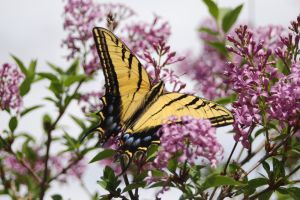
One of my personal favourites has been around since about the 17th century. A spectacular showpiece during the spring, the Lilac has sweet-smelling lavender blossoms. Today, there are numerous cultivars available, including some with yellow or white flowers.
Another exceptional plant in its own right is the rose. The modern varieties are typically grown for their form and colour; however, the old-garden varieties, such as Tea or Damask roses, are sought after for their intense aromas. While these traditional favourites tend to be more like shrubs and very thorny, they combine well with many perennials, bulbs, and ornamental grasses. Old-garden roses are always the perfect choice for country or cottage gardens.
There are many types of plants that are grown for their fragrances. Creeping Thyme is one of them. This beautiful groundcover creates a carpet of scented lavender-pink colour and looks just as attractive spilling over stone walls or containers. Keep it near the house for use in the kitchen or making potpourri.
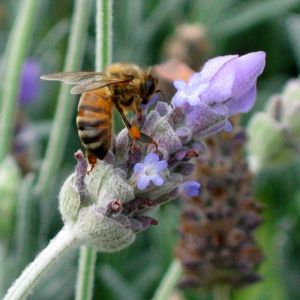
You can even grow Creeping Thyme alongside another fragrant old-timer-Lavender, my grandmother's favourite. Varieties of lavender include unforgettable scents with spikes of lavender to dark purple flowers. Lavender also makes a great groundcover and commonly used in potpourri or massage oils.
Garden Heliotrope was once just as popular in the garden as geraniums. These plants, with white or purple vanilla-scented blooms, enjoy plenty of sun and make lovely cut flowers.
Who can possibly ignore the sweet aromas on summer evenings radiating from a bed of Petunias? There are numerous colours and varieties, all providing the same charm of long ago.
The Sweet Pea has been a long-time favourite in many gardens. This flower is great for cutting and its strong scents will fill the area with pleasant aromas. Although sweet peas generally prefer cool summers and plenty of moisture, there are many varieties which are heat tolerant, allowing virtually anyone the ability to grow them.
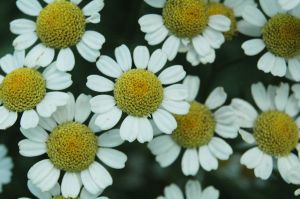
Feverfew not only smells great, but did you know that its foliage can repel insects, making them a good plant to have around.
The plant looks quite at home mixed with old-time roses and foxgloves.
I have always enjoyed the honey-scented blooms of Sweet Alyssum. It makes a perfect edging for beds and blends nicely with nearly any type of landscape.
Since many old-fashioned gardens were surrounded by fencing, flowering vines were often used to enhance its appearance. They were also used in other areas to help provide much needed shade. Dating back to the 1800s, Clematis has long since been known as a vigorous grower with abundant blooms. Don't limit them to fences; however, they look stunning climbing along a trellis or pergola.
The Passion flower can be traced as far back as the 1600s and has religious significance, deriving its name from the crucifixion of Christ. This lovely flowering vine produces masses of scented blooms bearing luscious fruits, and many grow naturally in some areas.
The Balloon Vine (love-in-a-puff) was a commonly grown plant in the 1800s, delighting children with its light-green, inflated seed capsules (puffs) that appear after the vine's white flowers have faded.
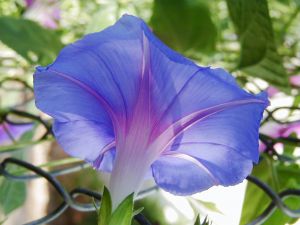
While some people may not appreciate its presence, due to its ability to climb anything within reach, the Morning Glory is another unforgettable plant.
Morning glories are easy to grow and thrive in all types of soil conditions. Although they can be found growing in the wild, the cultivated varieties are less likely to take over the garden.
These beautiful morning bloomers make quite a statement summer through fall-what a wonderful way to welcome each new day.
Numerous annuals and perennials were found growing throughout old-fashioned gardens. As far back as the 1800s, Ageratum has been a garden favourite. The long-lasting, fuzzy blue flowers are great for cutting. It's also a self-sowing plant, popping up in some of the most unlikely of places. Plant them with Heliotrope and sweet alyssum; you won't be disappointed.
Poppies are hardy, cool-weather annuals that are easy to grow. These old-time plants prefer fertile, well-drained soil and come in numerous shades and varieties.
Once grown for its edible properties, especially for salads, Nasturtiums are among the easiest annuals to grow. You can find them in a variety of colours which will bloom profusely for extended periods. Trailing varieties look great in containers or tumbling down slopes; the compact types are good for use as edging.
An old-time favourite loved for its brilliant foliage is Coleus. This plant is ideal for containers or as a colourful edging.
No garden is ever complete without Zinnias. These colourful showstoppers are excellent for cut-flower gardens.
The interesting flowers and foliage of Foxgloves earn these plants a welcome place in the garden; however, foxgloves are considered poisonous so keep young children away.
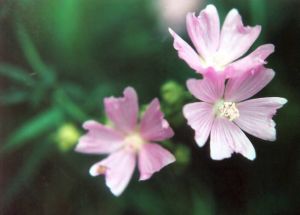
One look in grandma's garden and you're sure to find some old-fashioned Hollyhocks. These summer-blooming beauties have found popularity in informal country settings or growing alongside fences and other structures.
Violets have been around awhile and well loved for some time. They make a good groundcover or grow them in containers.
Columbine has been popular since about the 1600s and can be found in white, pink, or blue varieties.
Use them as cut flowers or simply mix them in a natural setting with hosta, iris, foxglove, and lady's mantle.
Another personal favourite of mine includes the mixed shades of Sweet William. This perennial flower goes well with many plants, such as foxgloves and peonies.
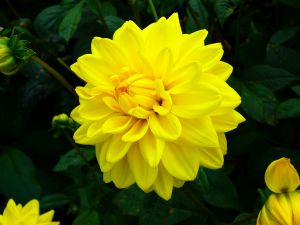
Some of the most beloved flower favourites come in the form of bulbs and many are ideal for cutting. Dahlias have lavish blooms during late summer and early fall and are available in a variety of colours.
Who doesn't enjoy the lovely blooms and aromas of the Iris? There are numerous varieties to suit nearly any garden.
Another old-time favourite with a wide range of colours and growing conditions is the Lily. Lilies have a long history and have been grown for centuries.
Cannas have also been popular for their dazzling array of colours. Plant them in masses and enjoy waves of colourful blooms summer through fall.
Some of the best plants for your garden, big or small, can be taken from the old-fashioned gardens of the past. These plants have lasted through many generations; and if you want to capture the nostalgia of grandmother's garden in your own, they will continue to do so for many more.

