 Art Collections and Wall Art
by Fabian Toulouse.
Date: 1 November 2009
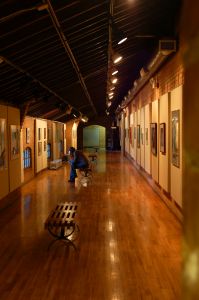
For curators such as at the Usher Gallery in Lincoln, an art collection is not just a hobby but goes beyond that as a serious career choice. It is a professional art field in fact.
Curators are often in charge of museums, archive, galleries, and libraries. They also have various responsibilities that include watching over the art collections in their prospective institutions, the catalogs pertaining to the collections (assisted by a specialist in publications).
Curators deal in tangible items, and also with fine art collections that can be displayed either to private individuals or the public at large.
They collect various kinds or works of art, from the historical and traditional pieces to the modern works of artists that are not as well known.
Curators do not always cover many topics, sometimes they specialize is just one area. Many times the museums they work in and just focused in one area too. What work the curator does may depend on this.
If the curator works for a small gallery or institution he could be the only one in charge of buying and managing art objects. He or she does research on the art in the collection, decides which pieces to collect, and also oversee the care and documentation of the art.
The curator packages the art correctly in the event it needs to be shipped or transported. Curators do share information they have with not only the community of scholars but also the public. This may be done through publishing journals or other types of publications or through exhibitions.
Sometimes the curator is the paid staff member if it is a small museum or gallery. When it comes to a larger institution, he or she is usually a specialist on one subject. Curators are expected to conduct original research on their own and help steer the institution's activities with their art collections.
Many large institutions employ a head curator who in turn oversees other curators who specialize in one subject. In places like these, other workers may perform the care that the art is given, and the details dealing with administration may be handled by someone else too.
Curators usually have gone through some kind of advanced education; many hold a high degree academically in art or another subject that is related. Some may hold a doctorate even. The curator, along with having an advanced degree, should make some contribution to their field of academic expertise through either articles or conference presentations.
This field also requires practical knowledge.
Curators have to keep themselves informed about the current trends and climate as far as art collecting, in addition to the ethical issues and laws that might have an affect on the art collection the curator oversees.
Two-dimensional wall art, for a lack of a better word, is the most common type of art curators are likely to purchase for collections. Sculptural pieces are also quite common.
Other forms of artwork that may appear in the art collection are 3D wall art, prints, and certain recordings usually of famous performances. Most of the time 100% of the collection is not displayed at once. Usually only a small number of the pieces are displayed for the public, while the other pieces are stilled stored away. Many times these displays or exhibitions are based on a central theme to all pieces pointing to that theme.
Author Resource:- If you are interested in finding a selection of suitable wall art around Lincolnshire, make sure you only browse the appropriate collections. Wall art is a way of life and an avenue to self-expression. RedBubble.com is also a good Site to view, as it exhibits Art, Design & Photography for free. Express yourself today!

