 Vehicle Safety Slashes Deaths by 56%
by Tim Barnes-Clay, the man behind the wheel.
Date: 01 October 2010
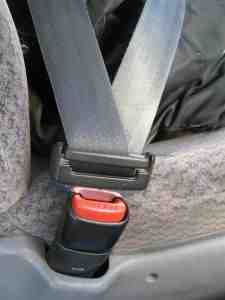
IMPROVEMENTS IN vehicle safety have attributed to a 56% decline in car occupant deaths in the last 20 years. RoadSafe says the Department for Transport figures are a testament to innovation in the automotive industry.
Between 1989 and 2009, car occupant deaths fell from 2,426 to 1,059, and the latest DfT figures suggest the rate of decline is increasing. From 2008 to 2009, the number of car occupants killed fell sharply by 16%.
Government links this significant decline to safety developments, including airbags, and ABS. RoadSafe congratulates engineers and manufacturers for their contribution, but director Adrian Walsh warns:
“There is still an onus on car-users to drive responsibly. 24% admit they do not always wear a seatbelt, even though you are twice as likely to die in a crash without one. All the technology in the world won’t make a difference if people don’t use this simple restraint system.”
Road user error remains the most commonly reported contributing factor in accidents. Failure to look properly was a contributory factor in 38% of crashes reported to police in 2009. In accidents involving 27% of fatalities, at least one reported contributing factor was exceeding the speed limit or driving too fast for the conditions.
Looking to the future of crash prevention, car safety is set to improve with increasingly sophisticated technology. RoadSafe’s ideal vehicle is one that actively prevents collisions. It is a vision that may not be as far farfetched as it seems.
Systems to help drivers avoid accidents are already available in some vehicles, and the European Commission is looking to make many compulsory in the next ten years.
Some of these technologies include:
Warning and emergency braking systems: They detect dangers in the road ahead, warn the driver and assist with braking when necessary, helping to avoid rear-end shunts. The obstacle ahead is detected by radar, a warning is issued and if the driver fails to respond, the system activates the brakes and other technologies, such as seatbelt pretension, to avoid or mitigate a crash.
Lane support systems:
- Lane Departure Warning uses cameras or sensors to monitor the vehicle’s position within the road markings. If the vehicle crosses the markings without signalling, a warning is issued to the driver. The system is designed for use on roads with good markings. It only operates above a certain minimum speed, and the driver can turn it off.
- Lane Keeping Support systems take another step in keeping a vehicle in its lane. They use road markings to monitor the vehicle’s position in the lane. If the vehicle leaves the lane without signalling, the system automatically steers the vehicle back into place in the centre of the lane. The pull on the steering is light enough for the driver to override in emergency manoeuvres
Blind spot monitoring:

This helps avoid crashes with other road users on either side of the vehicle. The systems use radar, cameras, or ultrasonic technologies to monitor the vehicle’s blind spot areas. If a moving object is detected within a blind spot, a warning signal is issued.
RoadSafe acknowledges that there is no escaping human error. The need to continue improving driver training is essential. Using the best practice in engineering to enhance safety in the road network is also critical, as is the need to focus on motorbike users. They have seen a much slower rate of decline, with only a 30% reduction in deaths since 1989.
As the control of road safety becomes more localised, RoadSafe encourages all involved in road safety at central and regional levels to share information and resources to ensure Britain’s roads remain some of the safest in the world.

